

Many Australians became aware of the dangers of airborne contaminants when our country became the first in the world to ban engineered stone benchtops, panels and slabs. Unfortunately, these products are known to release extremely harmful particles into the air when cut, leading to respiratory illnesses, toxic silicosis and even cancer in workers.
But did you know that plastering also poses some of the same dangers?
It’s a risk to take seriously, and in this post, we break down the issue and what we’re doing about it to protect our clients and plasterers.
Silica is a naturally occurring mineral in most rocks and soils. When stone, rock or manufactured materials containing crystalline silica undergo mechanical processes such as crushing, cutting, drilling, grinding, sawing or polishing, they can generate tiny silica crystals, known as respirable crystalline silica, that can penetrate deep into the lungs and cause irreversible lung damage.
The most well-known disease caused is called Silicosis. It is an irreversible of lung tissues that causes permanent disability and even death. It is estimated that around 230 workers will die every year in Australia from exposure to silica dust.
Why are plasterers affected by toxic silica dust?
Plastering materials contain a range of potentially harmful particles, including silica.
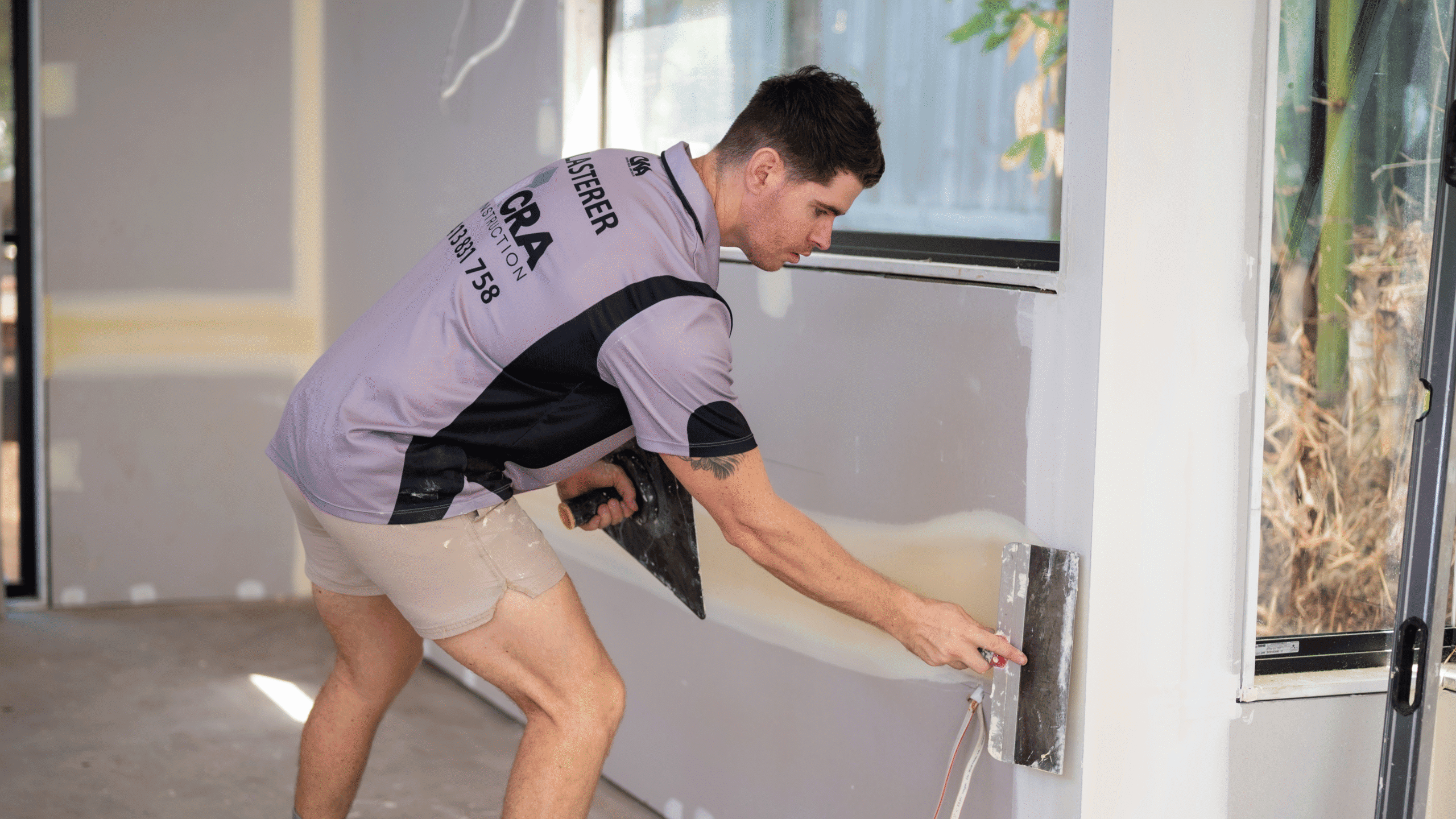
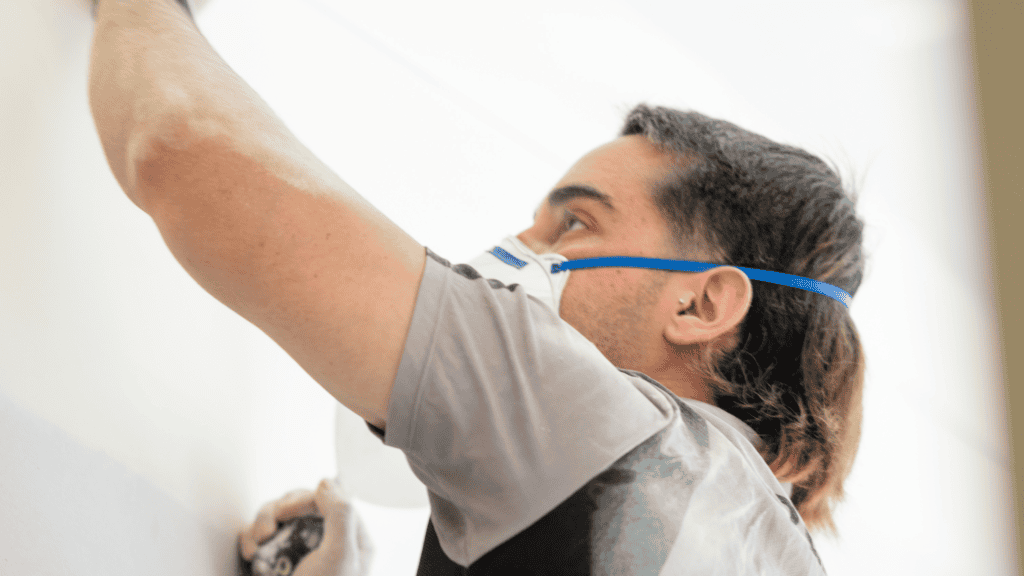
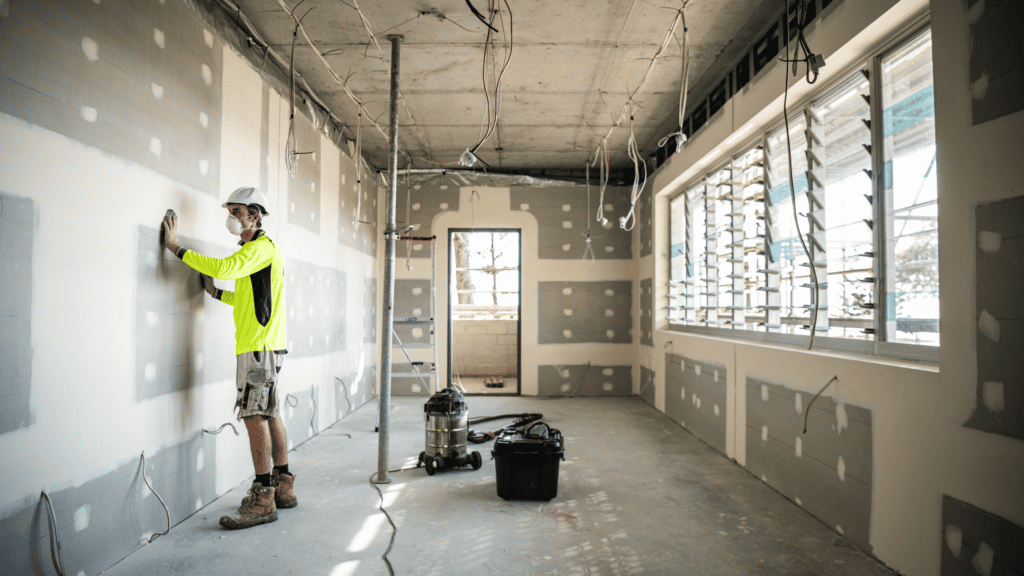
Plasterers can be exposed to these particles when mixing dry plaster dust into wet pastes and again when sanding down dried plaster.
Exposure can lead to occupational asthma and chronic obstructive pulmonary disease, which can then lead to serious diseases such as chronic bronchitis and emphysema.
While the prevalence of silicosis and other respiratory illnesses is lower in plasterers than in people who have worked with engineered stone, it is still a risk that should be carefully managed. It can take years of exposure before symptoms begin, but by then it is too late.

Can finished homes contain silica dust residue?
It’s possible, though there do not appear to be any studies into this.
To best protect your family, you should:
Our team recently completed a Silica Awareness Course, despite not yet being mandated to do so in Queensland. Training and communication are vital first steps to managing risks in our work.
Here are some other ways we protect our team and clients:
The dangers of exposure to harmful dusts should not be underestimated for plasterers. At CRA Construction we’re working hard to protect our clients and team and maintain a high safety standard.
If you have any more questions on this topic, reach out to us via info@craconstruction.com.au